
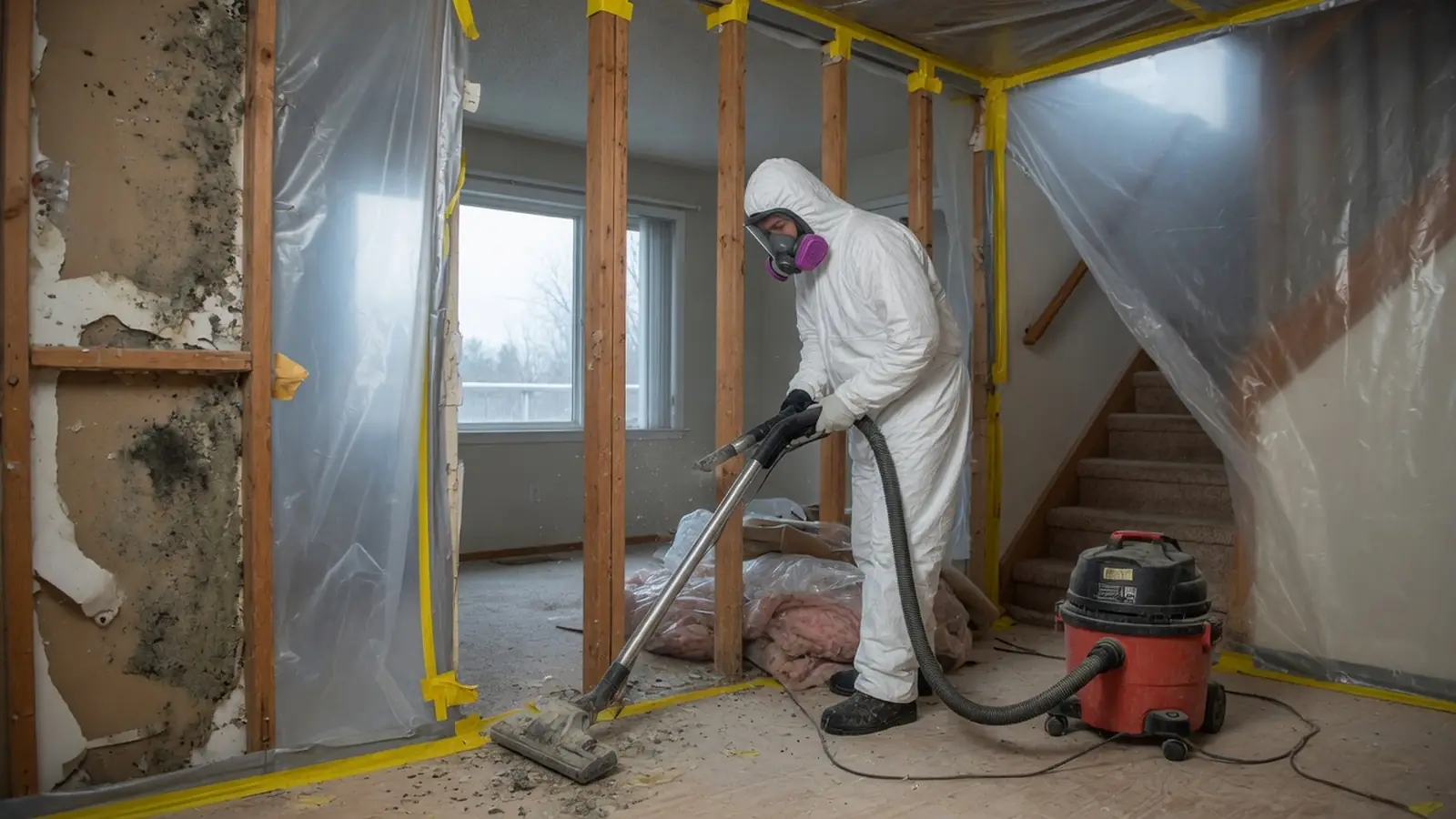
Charleston Mold Remediation
Prolonged subtropical humidity sustains rapid secondary mold amplification inside enclosed wall cavities whenever indoor relative humidity remains above 60 percent. Our certified technicians isolate active fungal colonies using negative air containment and restore structural framing back to safe baseline moisture standards. Protect your indoor air quality and structural integrity with verified microbial abatement protocols.
Call (843) 555-0123.
Prefer to talk? (843) 555-0123
Proven Structural Drying And Mold Elimination
Our crew specializes in identifying and remediating hidden fungal growth caused by coastal humidity and storm intrusion.
Across the local municipal boundary, 74,788 housing units on record in the Census ACS 5-year estimates face frequent coastal moisture challenges.
Prolonged subtropical humidity sustains rapid secondary mold amplification inside enclosed wall cavities whenever indoor relative humidity remains above 60 percent.
As homeowners often describe after plumbing failures, sudden supply line or appliance leaks inundate living spaces, saturating subflooring and drywall that require urgent structural extraction and drying.
We deploy commercial moisture meters, thermal cameras, and negative air setups to protect indoor air quality during every remediation project.
Schedule professional water damage restoration before airborne microbial spores migrate into surrounding rooms.
Step-by-Step Microbial Abatement
A pattern echoed in public discussions is that stormwater quickly travels behind walls and beneath flooring where household fans cannot reach, requiring specialized detection before mold colonizes structural framing. When tidal flooding impacts foundations, our rapid hurricane surge cleanup protocols extract trapped water and halt rapid microbial proliferation.
- Containment And Negative Air Setup. Remediation crews erect poly-sheeting containment zones under continuous negative air pressure with HEPA filtration to prevent fungal spores from cross-contaminating living spaces.
- Demolition Of Saturated Materials. Flood recovery entails cutting away waterlogged drywall, stripping wet insulation, and treating exposed framing studs with antimicrobial agents.
- Crawl Space Dewatering And Drying. Crawl space dewatering requires removing standing water and soiled ground cover before placing commercial dehumidifiers to dry subfloor timbers below 16% moisture content. Property owners struggling with high humidity can learn more about resolving chronic crawl space water before subfloor joists sustain permanent fungal rot.
- Antimicrobial Treatment And Verification. Technicians treat exposed framing with commercial biocides and HEPA vacuum all structural surfaces to ensure the moisture and spore count return to normal baseline levels.
Complete Containment And Lasting Moisture Control
Every project follows strict containment standards using commercial HEPA filtration and commercial-grade botanical antimicrobials. We never use cosmetic cover-ups or superficial treatments, ensuring your property is returned to a dry, healthy baseline.
HVAC And Duct Remediation
Unconditioned ductwork condensation fueled by coastal humidity causes mold and mildew buildup inside air handlers and supply ducts. Our technicians thoroughly clean and sanitize HVAC components to prevent continuous airborne spore circulation.
Crawl Space Encapsulation
Remediating chronic crawl space moisture and mold requires integrating interior drainage systems with sealed vapor barriers and commercial dehumidifiers. We seal ground moisture out permanently to preserve structural floor joists.
Structural Antimicrobial Abatement
Deep mold roots embedded in damp framing require commercial antimicrobial application and abrasive media blasting. We restore compromised framing to safe conditions without damaging underlying wood structures.
Our Commitment To Safe Indoor Environments
We approach every home with meticulous diagnostic testing and strict containment barriers to protect families from cross-contamination during active remediation.
- 10Zip Codes Served
- 8Service Areas
- 3Services Offered
Read authentic feedback from local property owners who trusted our crew to resolve complex fungal growth and hidden moisture issues.
“When our historic district architectural board raised concerns about exterior staging equipment, the crew handled the conversation with total grace. They kept all vacuum lines discreet and organized the staging area without blocking shared parking. Our crawl space was completely remediated without a single complaint from the neighborhood.”
Julian V.
“Six months after heavy storms caused moisture buildup behind our baseboards, our indoor air remains completely fresh and odor-free. The crew identified hidden dampness behind our master bath framing and eliminated the issue down to the roots. We test the humidity regularly now, and the timbers have stayed completely dry.”
Meredith T.
“My elderly mother uses a walker, so having noisy equipment or loose cords around the house was a major concern. The team took extra time to tape down every cable and placed negative air scrubbers where they would not disrupt her daily routine. Their thoughtfulness and care for our family made a stressful situation manageable.”
Devon K.
“We initially received a cut-rate estimate that only proposed spraying surface bleach over our water-damaged floor joists. This company explained why abrasive blasting and commercial antimicrobial treatments were necessary to protect the framing long-term. Choosing them saved us from having to redo the entire job a few months down the road.”
Cassandra B.
Frequently Asked Questions
Why does spraying household bleach on damp wood framing fail to eliminate deep mold root systems compared to commercial antimicrobial and abrasive blasting methods?
Bleach only treats surface growth on porous wood, whereas commercial antimicrobials and abrasive blasting penetrate deep roots to eliminate spores. Chlorine cannot penetrate porous timber, leaving the hyphae root system intact to feed on moisture while water in the bleach accelerates decay.
How quickly can mold colonize wall cavities after sudden flooding?
Visible mold colonies can develop inside damp wall cavities within 24 to 48 hours when indoor humidity levels remain consistently above 60 percent. Flood recovery entails cutting away waterlogged drywall, stripping wet insulation, and treating exposed framing studs with antimicrobial agents.
How do remediation crews prevent mold spores from spreading during removal?
Crews erect sealed plastic containment barriers maintained under continuous negative air pressure with industrial HEPA filtration systems. Remediation crews erect poly-sheeting containment zones under continuous negative air pressure with HEPA filtration to prevent fungal spores from cross-contaminating living spaces.
What moisture level must subfloor framing reach before mold remediation is complete?
Subfloor timbers and structural framing members must be dried to a moisture content below 16 percent to permanently inhibit fungal growth. Specialists verify internal moisture percentages across joists using calibrated deep-probe moisture meters before taking down containment barriers.
How does unconditioned ductwork contribute to indoor mold growth?
Warm coastal air condensates along cold metal ducts, creating moist environments that foster rapid mold amplification across air handlers. Unconditioned ductwork condensation fueled by coastal humidity causes mold and mildew buildup inside air handlers and supply ducts.